The History of the Canelé: A French Pastry from Bordeaux
The History of the Canelé: A French Pastry from Bordeaux
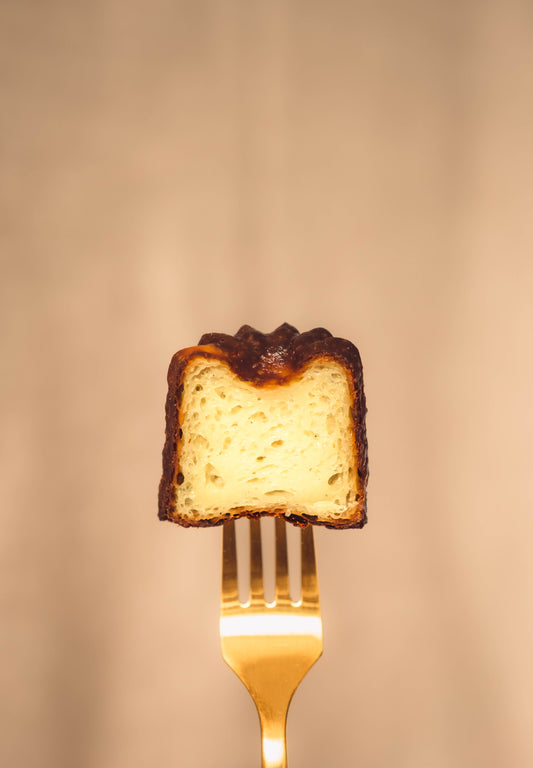
The canelé is inseparable from Bordeaux. Its distinctive shape, caramelised crust, and custardy centre tell a story rooted in the city’s history, language, and port life. Far from being a recent creation, the canelé is the result of resourcefulness, tradition, and time.
The Origin of the Name
The name canelé comes from Gascon, the language spoken in Bordeaux until the twentieth century. It originates from the word canelat, spelled with a single “n”, an orthography that has endured over time.
This linguistic origin already anchors the pastry deeply in the local culture of Bordeaux, long before it became known beyond the region.
The Annonciades Convent and the Birth of the Canelé
The earliest canelés were made by the nuns of the Annonciades convent, located behind the church of Sainte-Eulalie in Bordeaux.
The ingredients used reflected the realities of port life and wine production. From the docks, the nuns recovered grains of wheat that had fallen from ship holds or torn sacks. From the wine cellars along the Quai des Chartrons, they collected egg yolks left over from wine clarification, as egg whites were traditionally used to fine the wine.
Nothing was wasted. From these simple ingredients, a humble pastry was born.
A Pastry Shaped by the Port of Bordeaux
At the time, Bordeaux was a major commercial port. Ships arrived daily from overseas, bringing goods from the Caribbean and beyond. Among them were rum and vanilla, ingredients that were rare elsewhere but readily available in Bordeaux.
The nuns incorporated these into their recipe, adding depth and warmth to the flavour of the canelé. These small pastries were then distributed to the poor or sold to support the convent.
The Disappearance and Survival of the Recipe
In 1790, during the French Revolution, the nuns were expelled from their convent. With their departure, the production of canelats came to an abrupt halt.
For a time, the pastry nearly disappeared. Fortunately, the recipe survived outside the convent walls. On the quays of Bordeaux, locals continued to make canelés, baking them in moulds placed directly on hot embers.
However, the upheaval of the Revolution had taken its toll. The canelé gradually faded from everyday life and survived mainly on the tables of Bordeaux’s bourgeois households.
From Local Tradition to Bordeaux Emblem
It was not until the beginning of the twentieth century that pastry professionals took hold of the recipe, refining techniques and standardising the process. With improved moulds and controlled baking, the canelé regained its place in the best pastry shops of Bordeaux.
Over time, it became an emblem of the city, a symbol of local savoir-faire and restraint. Few ingredients, no decoration, and a demanding baking process define its identity.
From Bordeaux to Today
The canelé remains a pastry that leaves little room for compromise. Its history explains its precision. Born from necessity, shaped by trade, nearly forgotten, and finally reclaimed by artisans, it embodies the quiet strength of French pastry tradition.
At Les Petits Canelés, we honour this history by respecting the techniques and spirit that have defined the canelé for centuries, bringing a piece of Bordeaux’s heritage to the Jordaan, baked daily with care and intention.